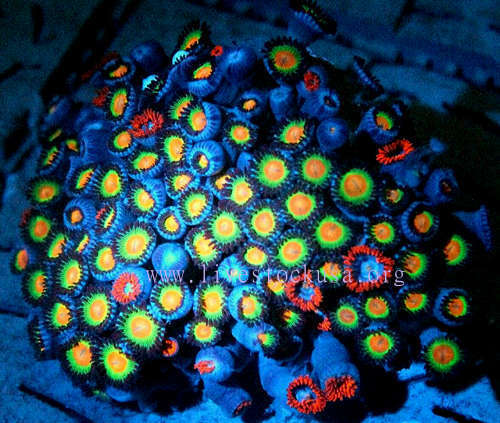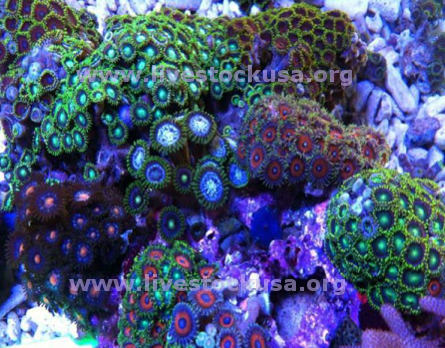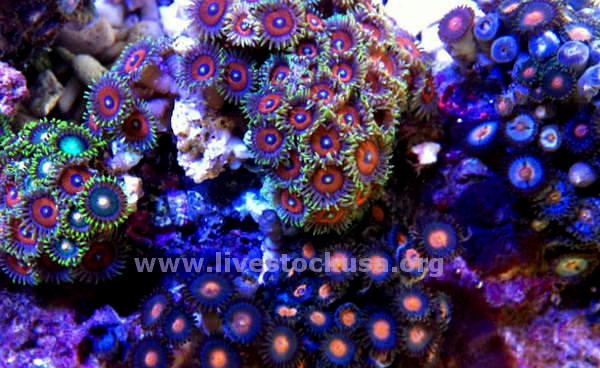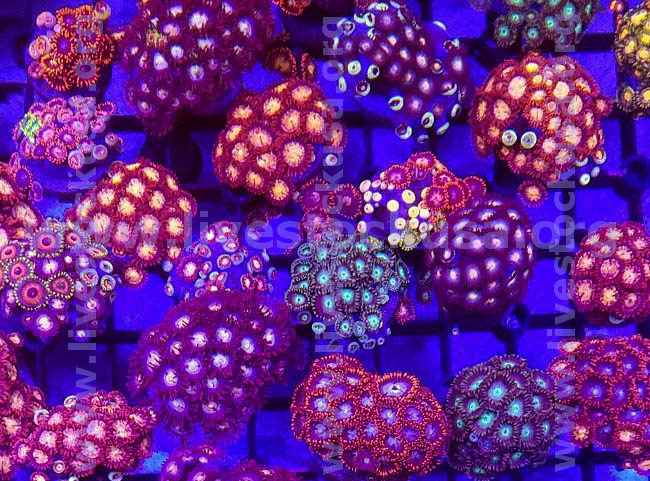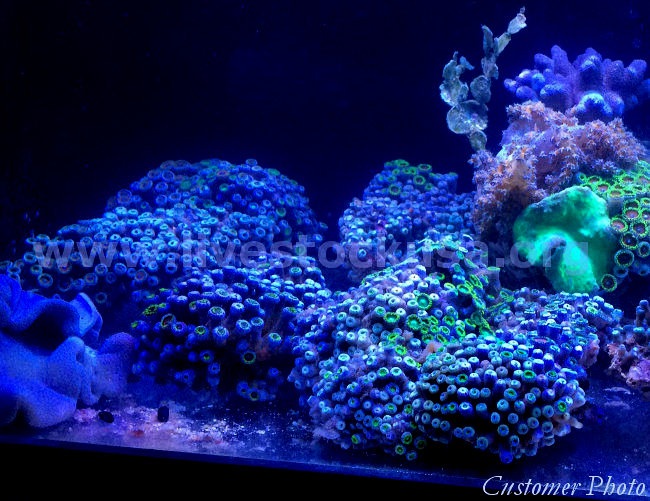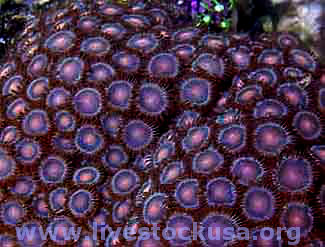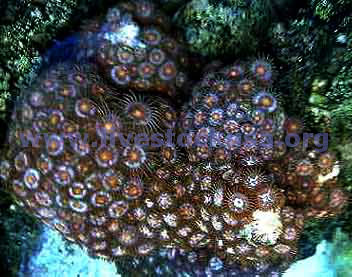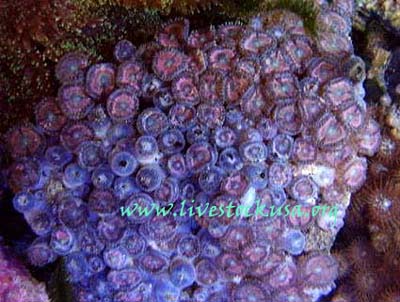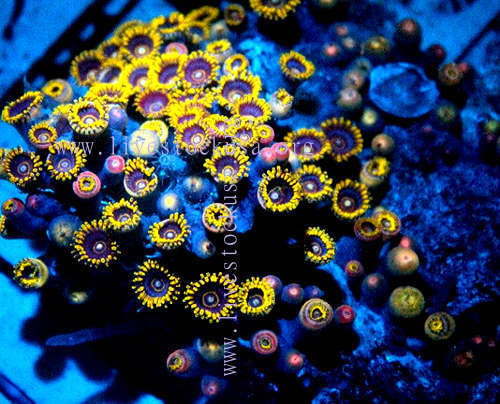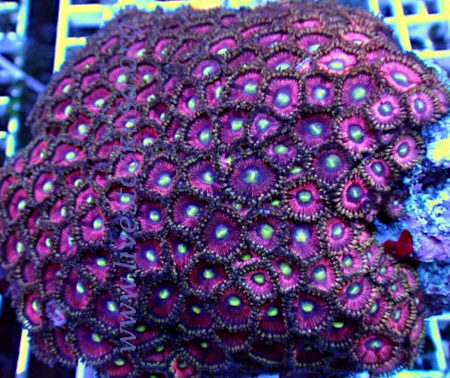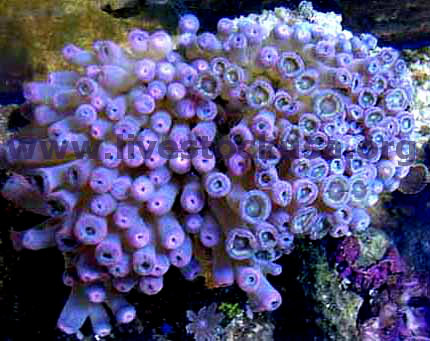
There are many amazing cool types of polyps, most are
very easy to keep and grow. All are colonial or semi-colonial.
The two main types are those that grow with connecting material
(tissue) at their bases and those that grow as independent,
single animals, not connected into a large mass.
Though many types superficially resemble one another, they are often not closely related.
Most are octocorals, soft corals without a calcerous skeleton.
Just the polyp, a rather oversized and sturdy one compared to
many others, able to rough it out without a skeleton. Often
chemical warfare is not above them however. Some can secrete
a deadly toxin (Palytoxin from a Palythoa), though this seems highly
limited to types most of us won't get or see. As a rule they
are harmless in your tank, but remember everything is best handled
with gloves. I have handled a hundred types of zoas, thousands of times,
without gloves, without issue. Often with hands full of open clam
and rock cuts and slices.
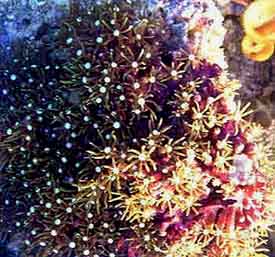
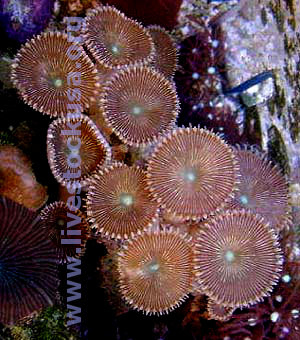
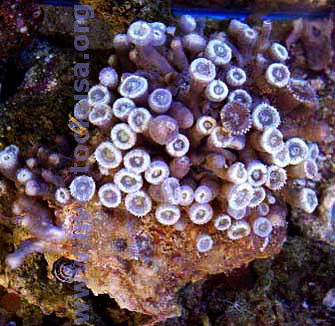
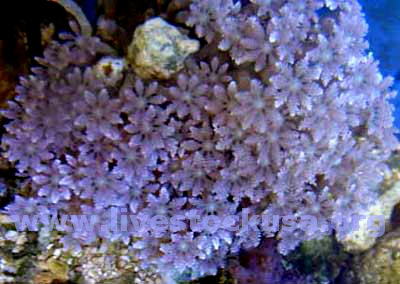
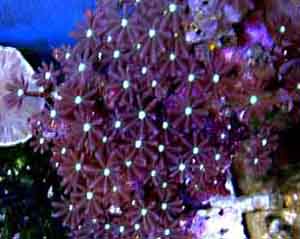
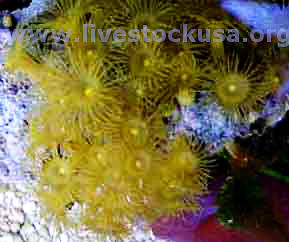
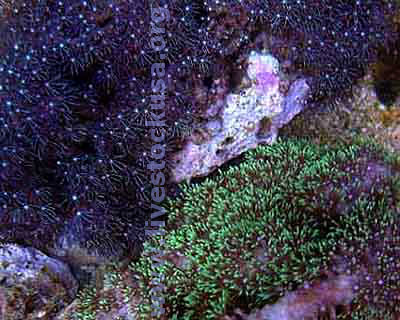
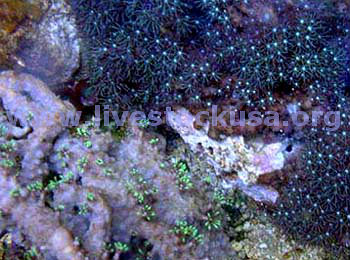
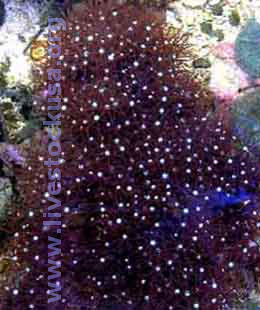
Star Polyps
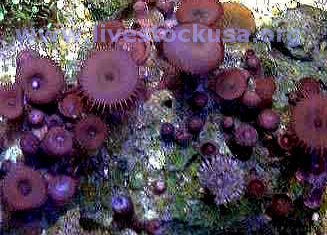
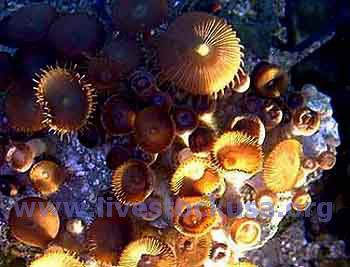
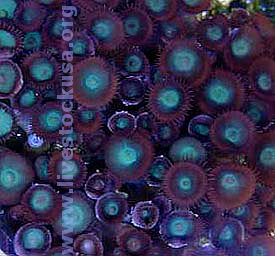
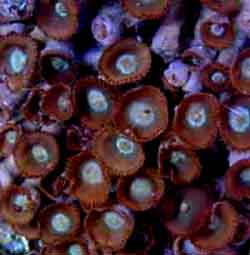
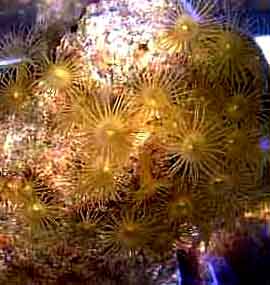
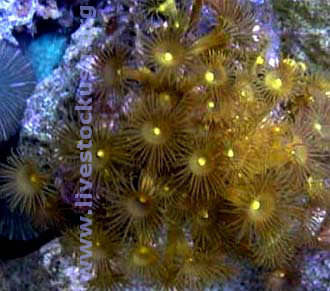
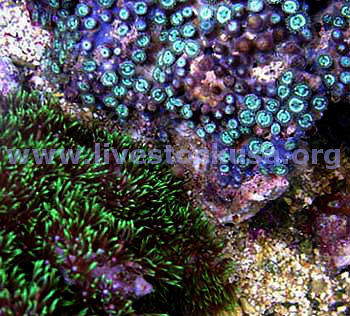
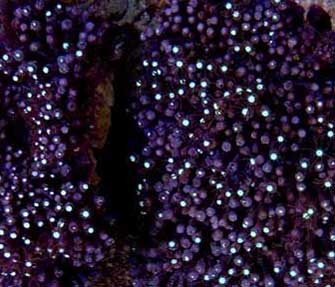
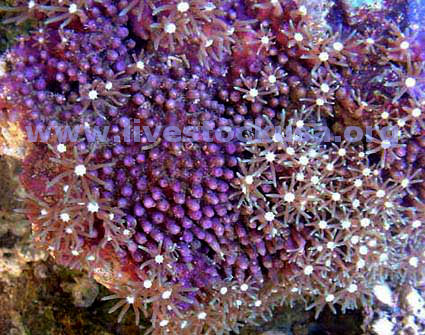
Button Polyps
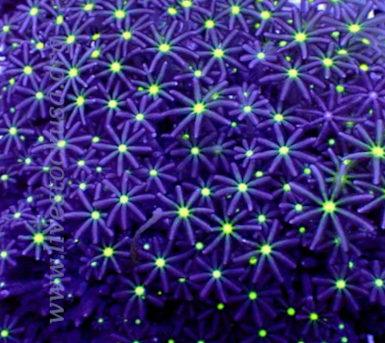
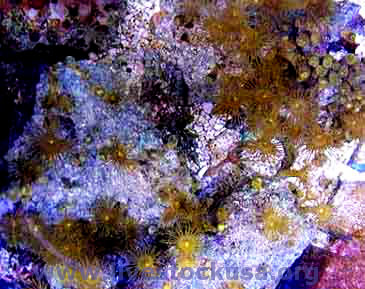
Star Polyps
Button Polyps
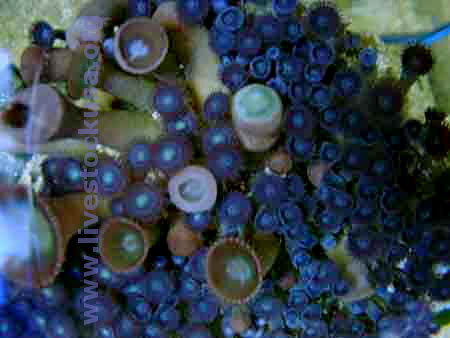
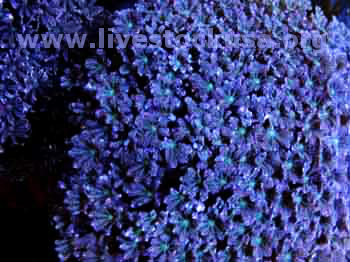
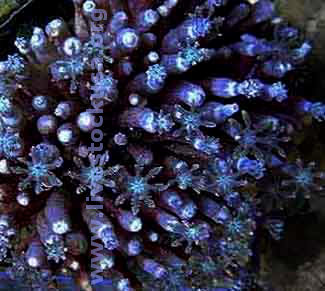
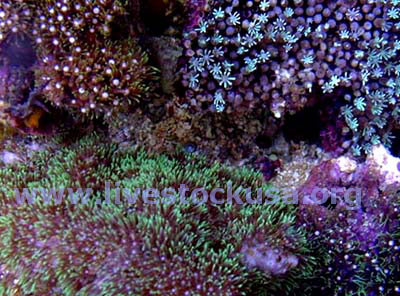
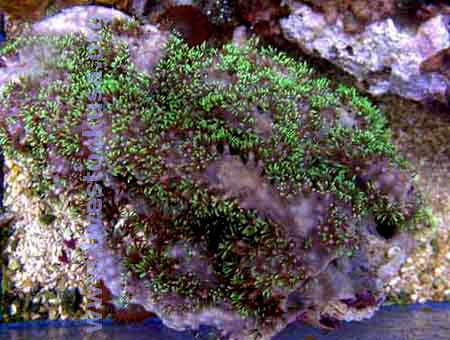
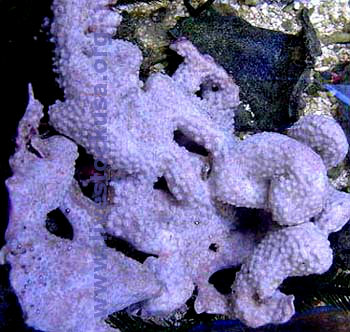
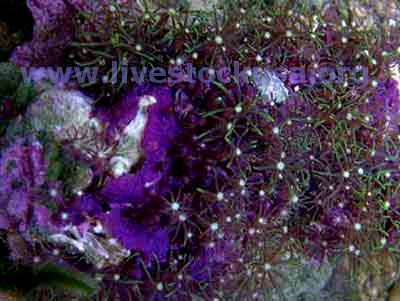
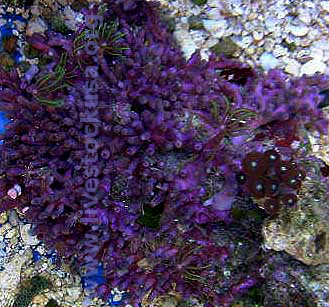
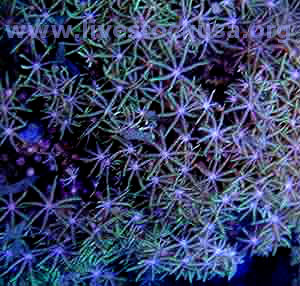
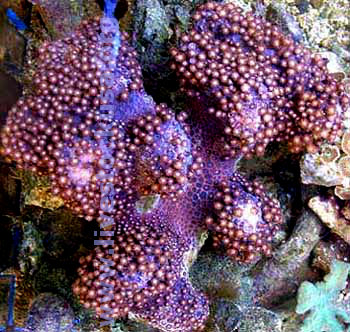
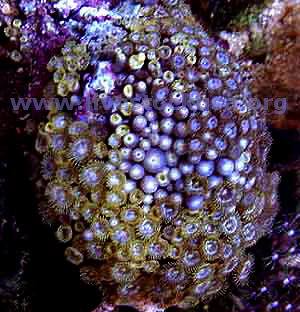
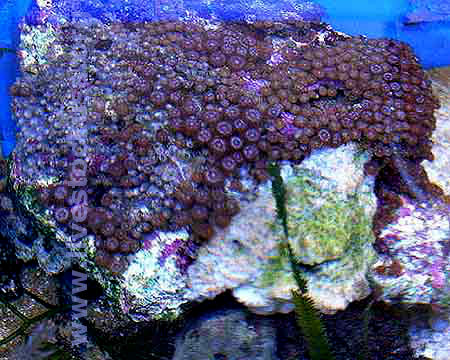
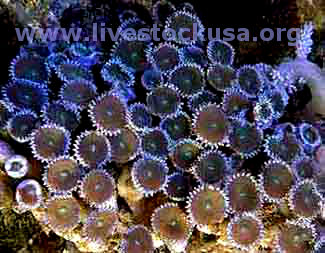
There are the Star Polyps (which are white, green, metallic, or brown) of the genus Pachyclavularia; the Sand Polyps, which are usually Zoanthids or Parazooanthids (which can be green, red, or yellow or amazing combos); and (brown or green) Button Polyps (Palythoa and Protopalythoa); the Daisy and Glove or Clove Polyps (Clavularia); and, the Pacific Briareum, and others.
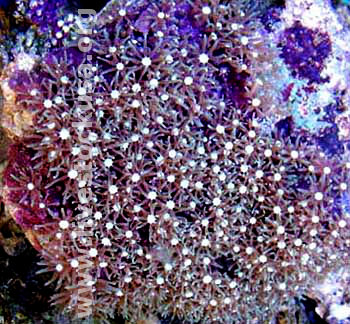
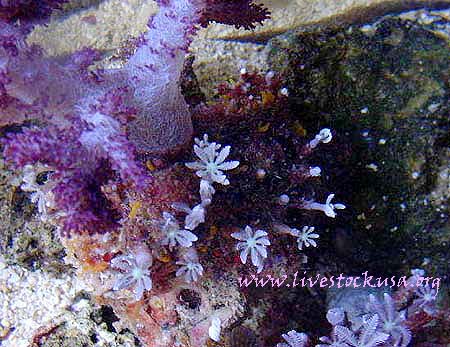
White Star Polyps
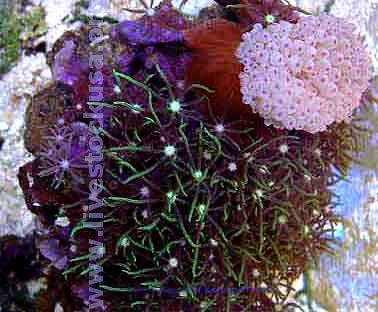
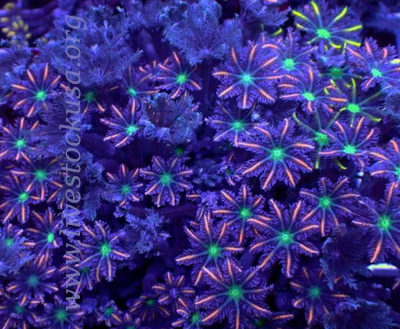
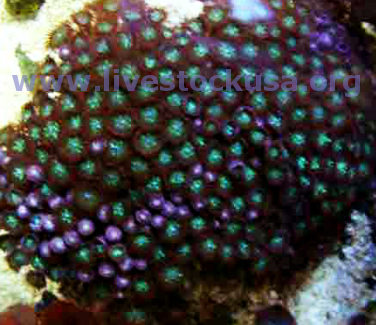
Green Star Polyps
White Star Polyps
Green Star Polyps
Note, that even amongst
similar-appearing star polyps,
there is tremendous variation of
form and, actually, undoubtedly,
many species involved. They all
share one thing in common ...
they are easy to keep!
Almost all polyps will do well
under less than halide light ...
that is daylight or 50-50's and actinics,
compact fluorescents, T5's, HO and VHO,
will all suit them just fine.
Water flow and movement
is more important, as
is often the case. I feed them my
"free invert food" and it seems
they quite like it.
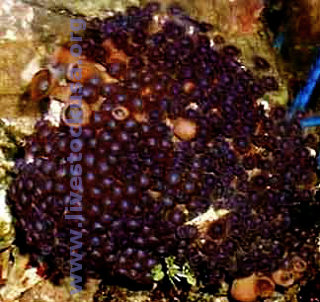
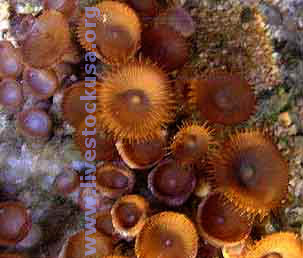
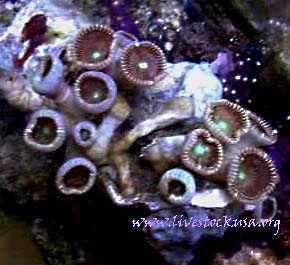
There are short-tentacled and long-stalked types;
long-tentacled and short-stalked varieties; colored tentacled, stalked, or centered types.
Many polyps are shipped to the U.S. dry, out of water.
This is because they are attached to big heavy rocks that weigh a lot already.
Star, Button, and Sand Polyps, as well as Yellow Polyps are all shipped from across the
Pacific out of water.
Some are wrapped in wet newspaper, some are not.
There are virtually no DOA's whatsoever.
If only everything in water shipped so well!
They often live in tidal areas where they are dry
for part of their day routinely.
Although, Clove or Glove and Daisy Polyps must be
shipped in water.
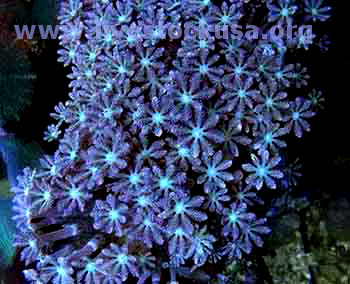
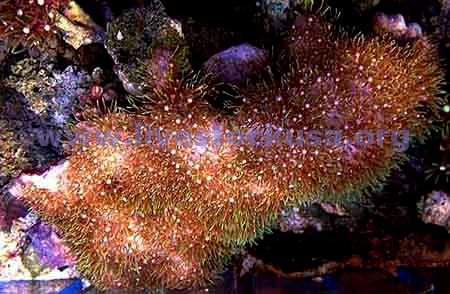
Clove Polyps
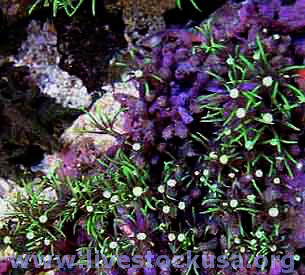
Green Star Polyps
Clove Polyps
Green Star Polyps